Fri 23 Oct 2026 · Reading School
Fri 23 Oct 2026 · Reading School
Fri 23 Oct 2026 · Reading School
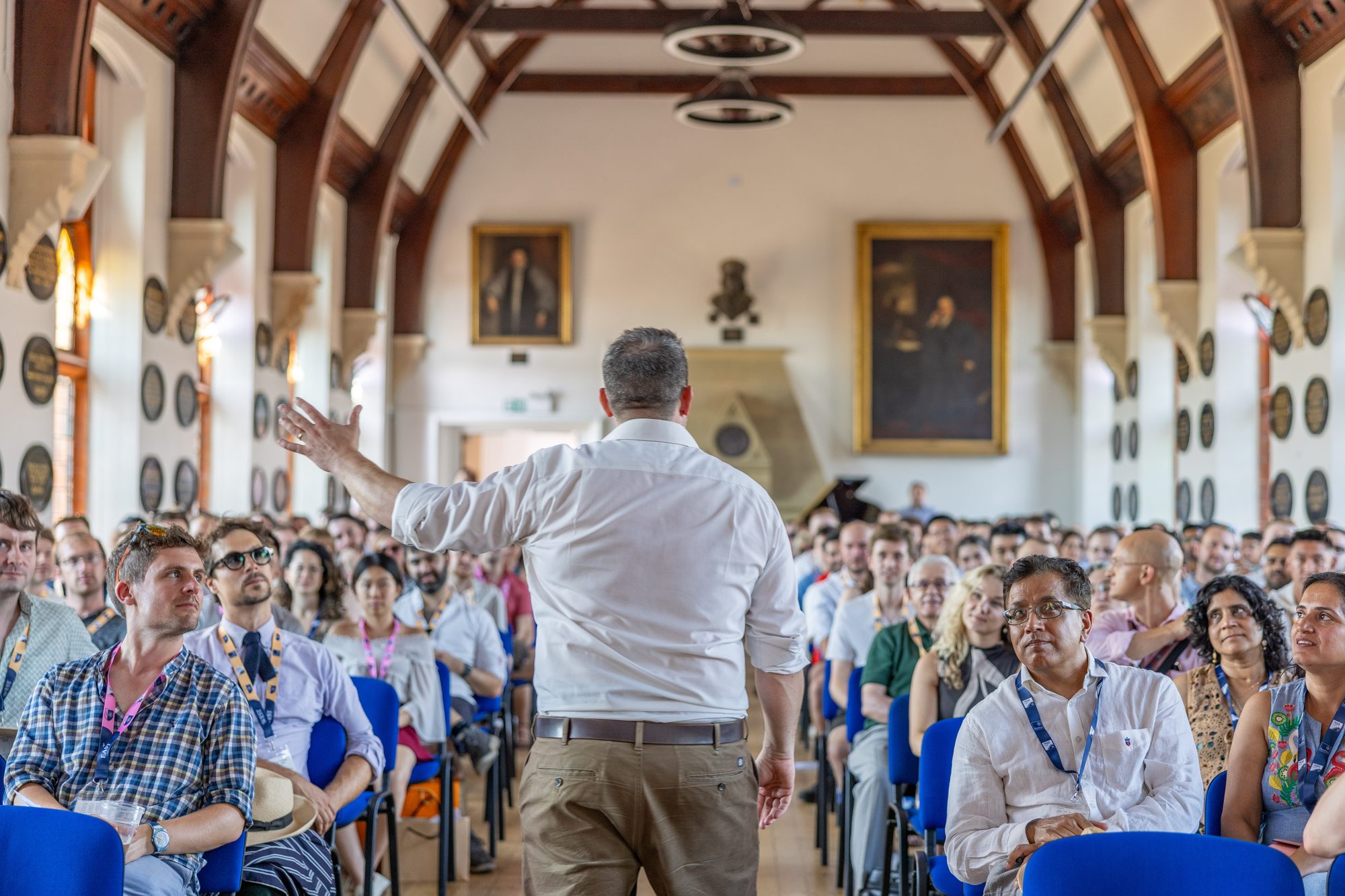
An Interdisciplinary Conversation
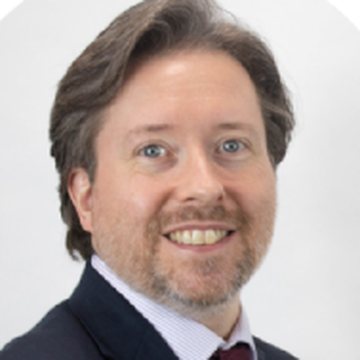
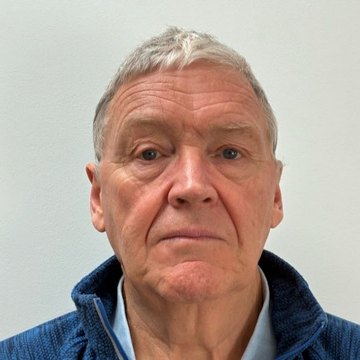
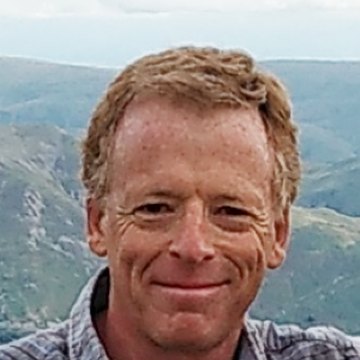
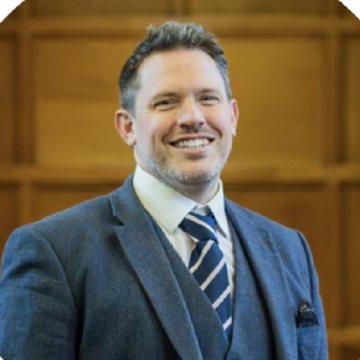


How do different disciplines understand, respond to and learn from failure? This inaugural conference brings together alumni, academics and leading professionals from medicine and healthcare, law, politics and public policy, engineering and technology, and economics, finance and business to explore how failure, disaster and near misses shape innovation, safety, leadership, ethics and decision-making.
Through keynote talks, panel discussions, interactive sessions and informal networking, the conference offers a unique opportunity to learn across disciplines, exchange perspectives and build meaningful professional connections.
Whether you are a seasoned alumnus ready to share your insights, early in your career and seeking support, or anywhere in between, Reading School remains a place for everyone to learn, connect and grow together.
One track in the morning, four running in parallel through the afternoon. Pick a subject lane for the talks and breakouts, then reconvene as one room to compare findings.
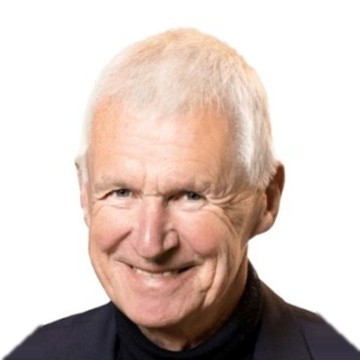
The day closes with a dinner at the School, opened by the Headmaster, with a live student music performance and an evening keynote from Dr Peter Coggan (OR 1961–1964).
Choose “Read biography” to open a speaker’s full profile. A few are still to come and will be added as they arrive.
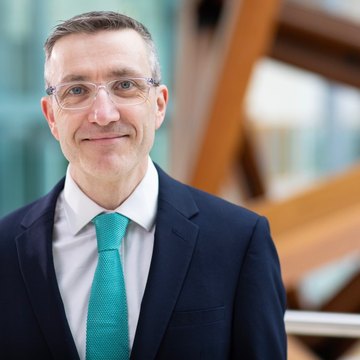
Sir Philip Lowe (Reading School 1957–1964) obtained an MA in Politics, Philosophy and Economics at St John’s College, Oxford and has an MSc (now called an MBA) from London Business School.
Following a period in manufacturing industry with Tube Investments Ltd, he joined the European Commission in 1973 as a junior official, based in Luxembourg and then in Brussels. He worked in a number of departments of the Commission as Director, but also as Chef de Cabinet to UK Commissioners Bruce Millan, in regional development, and Neil Kinnock in transport policy.
In 1997 he was appointed Director-General for Development. In this role he was chief negotiator of the first EU–South Africa Trade and Cooperation Agreement and of the Cotonou Agreement with ACP countries. In 2002 he returned as Chef de Cabinet to Neil Kinnock to assist in a major administrative reform of the Commission. In February 2010, he was appointed Director-General for Competition, having been much earlier Director for Merger Control in the same Directorate-General.
During his tenure in competition, he oversaw all the Commission’s merger, antitrust and state aid work, and was personally involved in most major competition investigations, including those leading to decisions against Microsoft and Intel and to state aid approvals for the rescue and restructuring of European banks during the 2007–2009 financial crisis.
From February 2010 he was Director-General for Energy, until he retired from the European Commission in January 2014. In this role he took an active part in measures to implement the EU’s Third Energy Market Liberalisation Package, as well as in the moves to extend and integrate electricity and gas infrastructures across Europe and to decarbonise energy in Europe.
From October 2013 until January 2016, he served as a non-executive director of the UK Competition and Markets Authority.
In 2018 he joined the economics consultancy Oxera, and subsequently became a partner in the firm as well as a member of its Governing Board. From the beginning of 2026, he moved to being one of its Strategic Advisors.
In addition to his work with Oxera, Sir Philip was Chair of the World Energy Council’s Trilemma Initiative between 2016 and 2024. Since 2010 he has been Chair of the Florence University Institute Competition Law Workshop. From the beginning of 2025, he is also a Senior Advisor to the public affairs consultancy KEKST-CNC. He is a Distinguished Fellow of the Centre for European Reform.
Sir Philip speaks fluent French and German. He lives in Flanders, Belgium.
Carl Cater attended Reading School from 1986 until 1993, was in East House, and was Chief Cadet of the CCF and Vice-Captain of School in his final year. He went on to study a BSc in Geography at Bristol University, where he later completed an MSc in Society and Space and a PhD on the geography of adventure tourism. Positions followed in Geography at the University of Reading (2001–2003), and in Business Management at Griffith University, Australia (2003–2009) and Aberystwyth University in Wales (2009–2017).
Currently Carl is an Associate Professor in Tourism at Swansea University, a Visiting Professor at the University of the Highlands and Islands, Scotland, and Presidents International Fellow at the Chinese Academy of Sciences. Still a geographer at heart (fostered by fond memories of field trips to Wales with Mr Walters!), his research centres on adventure tourism and ecotourism: their contribution to development, risk management, and the health of people and planet. He has written over fifty papers and book chapters, is co-author of Marine Ecotourism: Between the Devil and the Deep Blue Sea (CABI, 2007) and co-editor of the Encyclopaedia of Sustainable Tourism (CABI, 2015) and the International Handbook of Adventure Tourism (Routledge, 2025).
Carl is also an editorial board member of Tourism Planning and Development, Tourist Studies, Tourism Geographies, Journal of Ecotourism and Tourism in Marine Environments. He has supervised many PhD students and examined theses globally. Dr Cater has travelled to over 80 countries and undertaken field research, supervision, curriculum oversight and teaching worldwide, including Australia, China, Malta, Nepal, New Zealand, Norway, Papua New Guinea, Tibet, Turkey and Vanuatu. He has worked on projects for the Great Barrier Reef Marine Park Authority, the World Travel and Tourism Council, Gold Coast City Council, Tourism Queensland and the Tourism Society. He was a scientific advisor to Coral Cay Conservation, spoke at the United Nations World Oceans Day in 2021, and has made numerous media appearances. He is a Fellow of the Royal Geographical Society, a qualified pilot, diver, sailor, lifesaver, mountain and tropical forest leader, and maintains an interest in both the practice and pursuit of sustainable outdoor tourism activity.
Professor Neil Mansfield is Executive Dean for Research and International at Nottingham Trent University. As a member of the institutional executive leadership, he takes responsibility for international partnerships.
As Professor of Human Factors Engineering his research focuses on improving environments for human operators and passengers, including performance, comfort and wellbeing in sports, aircraft, ground vehicles, and high-speed boats. He has studied design for all life stages, from premature babies, through adult passengers, athletes and operators, to the oldest of drivers and the most frail in society. In all cases he applies understanding of human capability in context to define the design.
Neil has collaborated with industry and academia across all continents, and has published over 100 peer-reviewed journal papers, patents and books. He is a founder of the International Comfort Congress and sits on a NATO Working Group to better understand effects of extreme impacts on boat crews. He was convenor of an ISO Committee responsible for legally-binding standards, and was President of the Chartered Institute of Ergonomics and Human Factors. He is a former Editor of the journal Ergonomics.
Neil left Reading School in 1989 and completed his BEng and PhD at the University of Southampton. He worked in consultancy and in the automotive industry before taking a post-doc in Umeå, Sweden. In 1999 he joined Loughborough University where he progressed to Professor and Associate Dean for Research in Loughborough Design School. He moved to Imperial College London as a Professorial lead to found a new School of Design Engineering. He joined Nottingham Trent University in 2017 to establish a new Department of Engineering that grew from just himself and a laptop to a population of over 1,000 students, 50 staff and a thriving research culture. He moved on from being Head of Engineering in 2024 to become Executive Dean of Research and International, responsible for developing international strategic research partnerships for the University.
He is a non-executive director of Grity Sustainable Sports Apparel, where he directs design for performance cycling clothing. He continues to race in age-group categories in British Cycling’s National Series Mountain Bike and Cyclo-Cross, where he competes for Grity Race Team.
Ben Cowling attended Reading School from 1990 to 1997. He was in West House and went on to complete a BSc and PhD in Statistics at the University of Warwick. In 2004, he moved to the University of Hong Kong to undertake a postdoctoral position in infectious disease epidemiology and has remained in Hong Kong ever since. He was promoted to full professor in 2015. He teaches biostatistics and epidemiology in the Faculty of Medicine, and his research focuses on influenza and other respiratory viruses, including COVID-19. His current research interests include identifying optimal vaccination strategies and measuring population immunity.
Philip Davies attended Reading School from 1967 to 1974 and went on to earn a BSc in Mathematics from the University of Manchester and an MSc in Management Science & Operational Research from Warwick University. His career spans the public, private and academic sectors. He has served on the boards of several not-for-profit health companies and worked as a freelance consultant in international health and development in more than 20 countries across Africa, South and South-East Asia and the Pacific.
He spent five years as an Operational Research Scientist with the (then) Department of Health & Social Security in London before joining Coopers & Lybrand in 1983 as a management consultant specialising in healthcare, working extensively on NHS reforms across the UK as well as on projects in Africa and St Helena.
In 1991 he transferred to Coopers & Lybrand in Auckland, New Zealand, to establish a health sector consulting practice, and was appointed Deputy Director-General of the New Zealand Ministry of Health in 1997.
In 2001 he joined the World Health Organisation in Geneva as Senior Health Economist, before serving as Deputy Secretary of the Australian Government Department of Health & Ageing from 2002 to 2009. He was appointed Professor of Health Systems & Policy at the University of Queensland, Brisbane, in 2009, before returning to the public sector as Deputy Director-General of the Queensland Government Department of Health in 2013.
He joined the Fiji Government Department of Health & Medical Services as Permanent Secretary in 2016 and served as Deputy Chair of the World Health Organisation Executive Board before returning to live in the UK in spring 2018.
Raghuv was at Reading School between 1998 and 2003 and his time at the school has shaped his career. Raghuv started his career in the Civil Service working in the Department of Health across a range of policy, finance and performance areas. Raghuv spent three years directly supporting Ministers, including as Principal Private Secretary to the Secretary of State for Health.
Raghuv then moved into the NHS and worked in a series of Board leadership roles before becoming Chief Executive of Buckinghamshire Healthcare NHS Trust in 2025. During the pandemic Raghuv was seconded to help set up and lead NHS Test and Trace as Chief of Staff and a member of the Executive Committee of the organisation.
Raghuv is married with two young children and lives in Beaconsfield.
Dr Dev Gakhar (OR 2010–2017) is a doctor, medical educator and healthcare content creator, working at the intersection of medicine, healthcare, education and professional development.
After leaving Reading School in 2017, Dev studied Medicine at Imperial College London, graduating with an MBBS and BSc (Hons) in 2023. Alongside his medical training, he completed a BSc in Management at Imperial Business School, developing an interest in healthcare organisations, health economics, health informatics and entrepreneurship.
Dev later completed a Postgraduate Certificate in Clinical Education at the University of Leicester, with a focus on clinical education, assessment and technology-enhanced learning.
Alongside his medical career, Dev is a healthcare content creator. Through his social media channels, he covers healthcare news and policy and shares practical advice to help doctors navigate their careers, from pensions and pay to career development and progression. His website, Doctor Devify, provides resources and career tools designed to help doctors make informed decisions about their professional lives.
Dev is also co-founder of the Healthcare Creators Collective, a community for healthcare professionals creating content online. The Collective aims to promote high standards in online health content while helping its members connect with opportunities and develop their work as healthcare creators.
David Pocock attended Reading School from 1971 to 1978. He was in East House and went on to study Engineering at Clare College, University of Cambridge, from 1979 to 1982. He was a career civil engineer, spending 20 years with contractor Taylor Woodrow and 21 years with consultant Halcrow, later acquired by Jacobs. His work spanned the lifecycle management of a wide range of infrastructure types, including buildings, bridges, docks, industrial complexes and utilities, covering durability and maintenance predictions in design, condition and failure investigations, repairs, disputes and guidelines, and strategic improvements for asset-rich businesses. He travelled extensively during his career, including establishing a Middle East regional business in the UAE. He is a Fellow of the Institution of Civil Engineers and a member of the Institute of Asset Management, and retired in late 2023 as Senior Director of Asset Management at Jacobs.
Following Reading School, Andrew studied Engineering, Economics and Management at St John’s College, Oxford and later completed an MBA at Cambridge (Christ’s College).
For over 25 years, Andrew has advised on the set-up and delivery of major capital programmes in the UK and overseas, both of megaprojects and in supporting the capital programme investment decision-making of major infrastructure operators.
As a consultant, Andrew specialises in risk management, both in how projects are organised and in supporting the integration and transfer of risk between owner, constructor and operator, with the goal of building confidence in project delivery and infrastructure performance.
As a member of the Institute of Risk Management Complexity Risk Special Interest Group, Andrew has a keen interest in how failures, whether project or asset, can emerge from seemingly robust circumstances, and how the way we respond to them can be the difference between disaster or discovery.
After 20 years with major engineering and programme management consultancy firms, Andrew is currently Head of Risk Management at HS2 Limited.
Jonathan Nancekivell-Smith attended Reading School from 1985 to 1992. He went on to study Mathematical Statistics and Operational Research at Exeter University. He began his career at Barclays PLC in leadership roles across retail, product and risk. Since 2004 he has served as a Senior Civil Servant, leading teams on analysis, delivery, policy, strategic planning, finance, HR and executive leadership, and is a qualified Chartered Accountant (FCMA). His notable roles include Principal Private Secretary to the Home Secretary, Director of Analysis at the Ministry of Defence, Head of the No.10 Delivery Unit, Strategic Finance Director at the Ministry of Justice, and Gold Commander for Operation London Bridge. He was awarded a CBE by HM the King in 2024.
Neale Jouques OBE attended Reading School from 1978 to 1985. After leaving school, he joined the British Army, where he spent over twenty years leading logistics, planning and operational teams in the UK, the Balkans, the Middle East and Afghanistan. Those experiences taught him the importance of leadership, resilience, managing risk and making sound decisions under pressure.
Following his military career, he moved into the aviation industry, holding senior leadership roles at London Stansted Airport before leading international aviation retail businesses for a large Swiss corporate. In 2015, he co-founded Versilia Solutions, growing it from a start-up into a global company working with airlines across Europe, Asia and the Americas. Today, as a founder of Altura, he helps airlines improve performance through operational excellence, innovation and the practical application of artificial intelligence.
Alongside his professional career, he remains committed to public service as a senior volunteer with the Army Cadet Force, helping to develop young people and adult volunteers. He continues to invest in his own learning through executive education, most recently at INSEAD Business School, reflecting a belief that learning never stops.
Looking back, Neale owes much to the foundations laid during his time at Reading School. He would encourage today’s students to stay curious, embrace opportunities and never be afraid to take on challenges. Few careers follow a straight path, but with hard work, integrity and a willingness to keep learning, opportunities often emerge where you least expect them.
Lieutenant Colonel Alex Warner is an Army officer, helicopter pilot and test and evaluation specialist with over two decades of experience in military aviation, operational leadership, safety and risk management.
Commissioned into the Army in 2003 after completing a Master’s degree in Mechanical and Materials Engineering at Nottingham University, he became an Apache pilot and served in a range of operational and leadership roles, including various overseas tours. He subsequently became an Apache Weapons Instructor and held senior appointments within the Attack Helicopter Force.
In 2014, Alex qualified as an Experimental Test Pilot at the Empire Test Pilots’ School and, following over 10 years in aviation flight test, most recently commanded the Rotary Wing Test and Evaluation Squadron at Boscombe Down.
Throughout his career, Alex has worked in environments where understanding failure, managing risk and learning from near misses are fundamental to effective decision-making. His experience spans the technical, operational and human dimensions of high-risk activity, providing a perspective on how organisations can turn failure and adversity into safer and better ways of working.
He is particularly interested in the role of leadership, organisational culture and professional curiosity in ensuring that lessons are identified, shared and acted upon.
Dr Coggan is a British-trained physician (University of London) who practised family medicine in Canada before moving into US academic medicine at Southern Illinois University. His career spanned faculty and leadership roles at the University of Washington, UC Irvine (Associate Dean for Medical Education, plus a Master’s in Medical Education from USC), Henry Ford Health System (Director of Medical Education), and Michigan State University’s Grand Rapids campus (Associate Dean for Graduate Medical Education), where he also led GRMERC as President and CEO.
He secured over $3.5M in grants for programmes serving underserved, geriatric, rural and substance-abuse populations, and helped design a new medical school for a California HMO. His national service includes work with the National Board of Medical Examiners, the AAMC, and a congressional consultancy to COGME (co-authoring its 13th Report to Congress).
He has also held numerous leadership roles in professional societies: STFM (board member, President of its Foundation), the Alliance of Independent Academic Medical Centers (board member and later President, 2011 Ethel Weinberg award recipient), and a six-year term on the ACCME board, concluding in 2011.
Join for one session or the whole programme, from the 08:30 breakfast to the 22:00 close of dinner. Catering is included throughout.
Book your £37 placePhotography and filming: by attending you consent to photography and videography for Reading School marketing and archiving. If you do not wish to be photographed, or wish to withdraw consent, contact the Events Team at events@reading-school.co.uk.